Skip to content
Book a tour
Apply now
Back to main menu
  • Enrolments

    Enrolments

    • Enrolments Welcome
    • Book a Tour
    • How to Apply
    • Scholarships
    • International Enrolments
    • Transport
    • Fees
    • Enrolment FAQs
    • Apply Now
  • About Us

    About Us

    • The Pymble Difference
    • Meet our Principal
    • Our Values and Culture
    • Our Campus and Facilities
    • History and Tradition
    • Master Planning
    • Our People and Governance
    • Our Community
    • First Nations
    • Alumni
    • SAT Testing Centre
    • Term Dates
  • Early Years School

    Early Years School

    • Welcome to Early Years
    • Our Team
    • Programs
    • Partnering with Families
  • Junior School

    Junior School

    • Welcome to Junior School
    • Academic Intelligence
    • Emotional Intelligence
    • Social Intelligence
    • Digital Intelligence
    • Outdoor Learning
    • Co-curricular Activities
    • Co-curricular Performing Arts
    • Co-curricular Sport
    • Co-curricular STEM
    • Out of School Hours Care
  • Secondary School

    Secondary School

    • Welcome to Secondary School
    • Academic Intelligence
    • Emotional Intelligence
    • Social Intelligence
    • Digital Intelligence
    • Outdoor Education
    • Co-curricular Activities
    • Co-curricular Performing Arts
    • Co-curricular Sport
    • Co-curricular STEM
    • Trips and Tours
  • Boarding

    Boarding

    • Welcome to Boarding
    • Accommodation and Boarding Houses
    • Boarding Programs
    • Boarding FAQs
  • Unique to Pymble

    Unique to Pymble

    • Vision Valley
    • Olympic Pathways
    • Pymble + Tottenham Hotspur
    • Rafa Nadal Tennis Academy
    • Pymble Tennis Academy
    • Internationally Recognised Courses
    • STEM Academy
    • Pymble Values Art Prize
    • Pymble Wise Phone
    • Our School Dogs
    • Speak to the Future: Global Student Essay Prize
  • Work With Us

    Work with us

    • Welcome to Pymble
    • Benefits and Wellbeing
    • Grow your Career
    • Current Opportunities
  • What's On

    What's On

    • Latest News
    • Upcoming Events
    • Publications
    • Term Dates
  • Contact Us
Pymble Foundation
  • Pymble Institute
  • Pymble Swimming
  • Vision Valley
  • My Pymble
  • Pymble Payments
Book a tour Apply now

Search the site

Suggested pages


  • The Pymble Difference
  • Our Campus
  • Meet our Principal

Most popular


  • Book a tour
  • Apply Online
  • Term Dates

Quick links


  • Pymble Institute
  • Pymble Foundation
  • Vision Valley

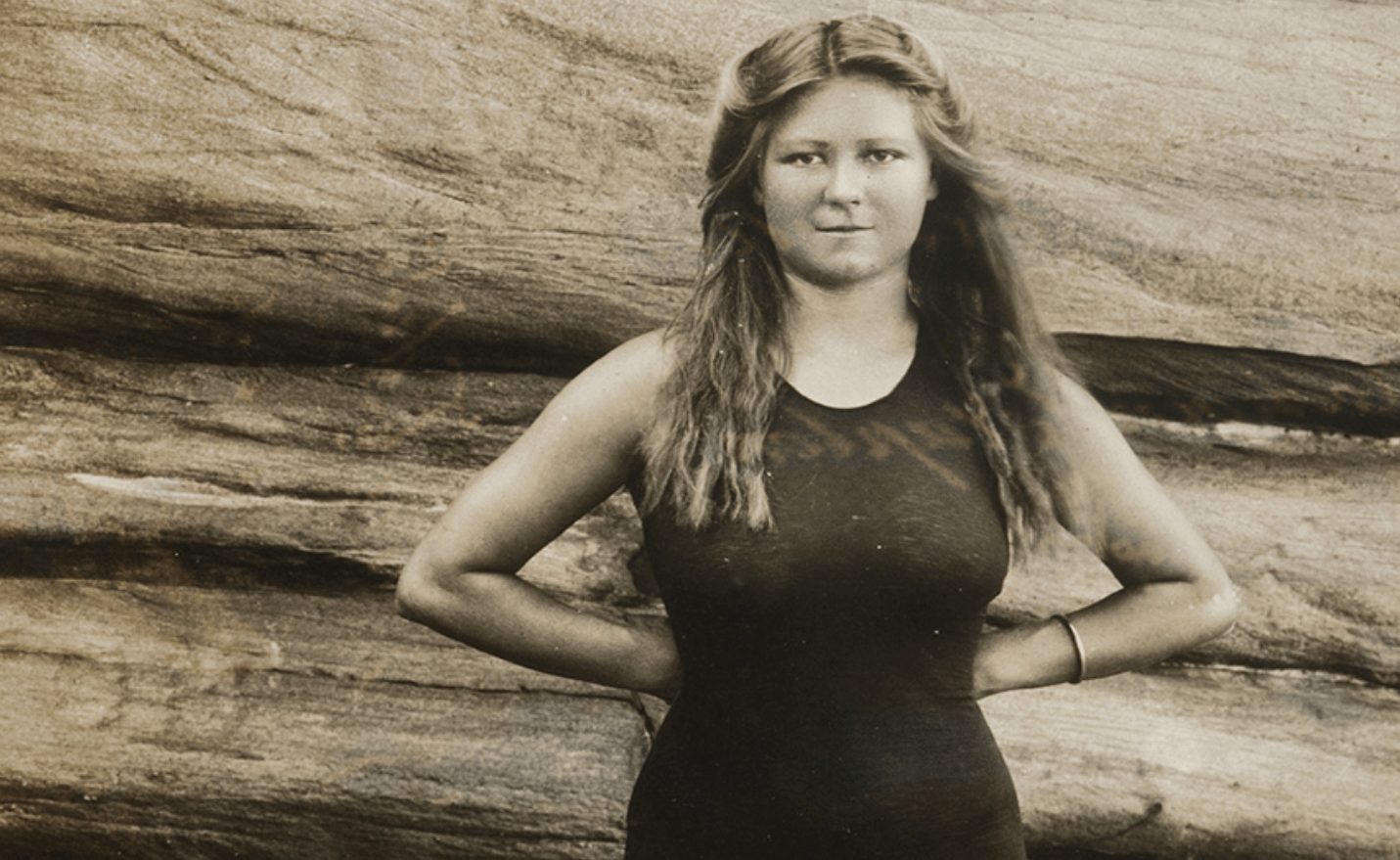
Mina Wylie; an Olympic trailblazer and Pymble Coach

  • Alumni
  • Sport
  • News

Wilhelmina (Mina) Wylie (1891 – 1984) 
Olympic silver medallist Stockholm 1912  
Pymble swimming coach 1928 – 1970 

Mina Wylie is best known as the first Australian woman to win a silver medal at the Olympic Games. Less well known is the determined fight that she and Australian teammate and close friend Fanny Durack, undertook to undertook to represent her country at the Olympic Games in 1912. 

 Born on 27 June in 1891, Mina grew up in Coogee. Her father, Henry Wylie, was a champion long-distance and underwater swimmer, who owned the now famous Wylie’s Baths which opened in 1909. At only five years of age, Mina joined her father’s aquatic troupe with a show-stopping act, swimming underwater with her hands and ankles tied.   

Mina Wylie

Mina was a determined swimming relentlessly, and her training consisted of swimming half to three-quarters of a mile, every single day. In 1909, she was among the first three women in Australia to be honoured with the Royal Life Saving Society’s award of merit. 

Mina and Fanny Durack were fierce competitors in the pool and very close friends out of the water. Both were coached by Henry Wylie and they raced in the New South Wales Swimming Championships in 1910 and 1911 with Mina winning every race and Fanny always a close second.   

At the 1912 Summer Olympics in Stockholm Sweden, women’s swimming events were being held for the very first time in history. Both Mina and Fanny wanted to represent Australia however, they were refused permission by the Australian Olympic Committee due to a rule which forbade women to swim in the presence of men. They were also informed that there was only enough money to send male representatives to the Games.  

Following a public outcry, the rule was relaxed and they were eventually allowed to go to the Olympics, provided they took chaperones and paid all of their own expenses. The Australian public rallied to their cause and raised enough money to send Mina and Fanny to Stockholm.   

Mina and Fanny both competed in the 100 yards freestyle race with 27 women contesting this event, including six from Great Britain and four from Germany. The pool was built in an inlet of Stockholm Harbour, and competitors swam without lane ropes.  

Fanny Durack set a new world record in the heats of the 100-metre freestyle and then went on to win the final, becoming the very first Australian woman to win an Olympic gold medal in a swimming event. Mina was a close second, winning the silver medal and both friends were able to stand on the podium side by side, as Australia’s first female swimmers to ever win Olympic gold and silver medals.  

Fanny Durack

The only other event for women swimmers was the 4 x 100-yards relay; both Australian women offered to swim two legs each in order to compete as a team, but permission was refused. 

Mina was a state and national swimming champion for 20 years, breaking many world records in that time.  She won 115 titles over her career including every Australian and New South Wales championship event in 1911, 1922 and 1924 in freestyle, backstroke and breaststroke. For reasons unknown today, she never participated in another Olympic Games. Mina was inducted into the International Swimming Hall of Fame in 1975. 

After retiring from competitive swimming, Mina joined Pymble in 1928 as head of swimming, two years after the College built an Olympic-sized swimming pool, the first of its kind in Australia. Mina coached Pymble swimmers to many victories for 42 years until her retirement in 1970.  Wylie House at the College has been named in her honour. 

Mina and Fanny Durack remained close friends for the remainder of their lives but their trailblazing Olympic achievements have really only been acknowledged in recent times.  

Back to all news

Related news

Where are they now?

Where are they now? Andrea Christie-David (1997)

October 14, 2026
Where are they now?

Where are they now? Cara Lam (2011)

March 9, 2026
Where are they now?

Where are they now? Yiwei Chai (2017)

January 12, 2026
Book a tour
Apply now

Quick links

  • The Pymble Difference
  • My Pymble
  • Pymble Foundation
  • Pymble Institute
  • Pymble Swimming
  • Vision Valley
  • Reports, Statement of Expectations, Policies and Privacy

Contact us

  • Avon Road, Pymble NSW 2073 Australia
  • +61 2 9855 7799
  • communityengagement@pymblelc.nsw.edu.au
ICGS Logo IGSA Logo

We acknowledge the traditional custodians of the land on which Pymble Ladies' College and Vision Valley stand. We pay respect to the Elders past and present and extend that respect to other First Nations people within the Pymble Ladies' College community.


© Pymble Ladies' College 2026 Pymble Ladies’ College | A School of the Uniting Church | ACN 645 100 670 | CRICOS 03288K
WEB DESIGN BY TWK